The Vault

The deeper you go, the more is revealed.
The Vault: Preservation and Fidelity

The Vault contains every released Devourer recording in the highest quality that still exists today. Most entries remain intact. Others bear the marks of erosion. This is not restoration for comfort, nor revision for uniformity — it is documentation.

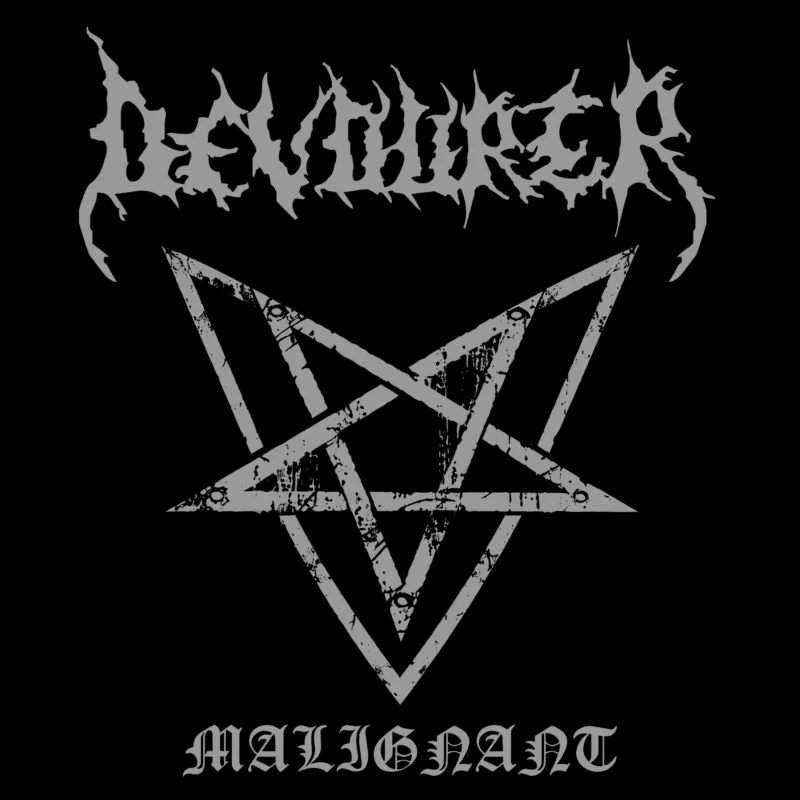
Early releases, including the 2003 demo Malignant, predate any structured backup process. For that demo, only compressed MP3 files survive; the original uncompressed recordings are gone. For some later releases, the best available sources are likewise compromised, and portions of the visual material endure only in reduced resolution. These limitations are preserved as part of the record.

Systematic archival preservation began with Across the Empty Plains in 2017. From that point onward, most recordings, mixes, masters, and visual material exist in high-quality formats, retained as close to their original state as possible. All FLAC audio files in The Vault have been derived directly from the highest-quality mastered sources that still survive for each release.

all video files have been converted from the highest-quality available sources into x265 (HEVC) format. Encoding settings for both audio and video were selected at the highest practical quality level without excess, prioritizing fidelity while avoiding unnecessary file size. The resulting files are optimized representations of the surviving source material, not provisional encodes.

The Vault does not hide the fractures in Devourer’s history. It exposes them. Each file stands as evidence — not only of what was made, but of what endured.

On the Construction of the Drums

All drum parts in Devourer are constructed rather than recorded live. This has been the case since the project’s inception, and it remains a deliberate and permanent choice.

The decision is not rooted in limitation, but in control. The drums are written, arranged, and executed by the project’s founder, who possesses extensive practical experience as a drummer. Long before Devourer existed, he began playing drums in his mid-teens with the specific aim of mastering blast beats, at a time when no suitable drummer was available in his immediate surroundings. The earliest surviving recordings of this work date back to 1999 and document fully manual blast beat performance, captured without triggers or technical assistance.

Over the years, this experience expanded far beyond solitary practice. He has played drums in multiple bands, recorded numerous tracks and albums, performed live extensively, toured across the United States with near-daily performances, and appeared as a drummer alongside a full symphony orchestra. In cumulative terms, the time invested in drumming exceeds the threshold commonly associated with technical mastery. This background forms the foundation of Devourer’s drum work.

Within Devourer, programming is used as a compositional and production tool rather than as a shortcut. Recording live drums is intentionally bypassed to streamline production and to retain absolute authorship over the rhythmic architecture. The drum parts are not delegated, as they are considered inseparable from the project’s compositional identity. Each pattern is conceived with full awareness of physical playability, limb independence, and realistic execution.

The programming itself reflects this discipline. Every hit is placed intentionally. Velocities are carefully shaped to emulate natural dynamics, micro-variation, and physical fatigue. The goal is not mechanical precision, but controlled realism. As a result, listeners have frequently described the drums as organic and have assumed a live performer was involved. While the drums are not “played” in the literal sense, they are authored with the same intent, knowledge, and scrutiny as a live performance.

On earlier releases, the programmed nature of the drums is more apparent. This reflects both the tools available at the time and the evolving production approach. On later recordings, advances in sampling, sequencing, and mixing have allowed the drums to reach a level of realism that is effectively indistinguishable from live recordings. Given prior experience recording acoustic drum kits, the techniques and sensibilities of live production are directly translated into the programmed environment. For Devourer, this removes any practical or artistic incentive to transition to live drum recording.

Live performance is treated as a separate context. In a conventional live setting, Devourer will always employ a real drummer; the use of backing tracks for drums is considered inappropriate for such events. An exception was made during the staged performance of The Wicked Ones, which was not structured as a traditional concert but as a controlled presentation. Future live or streamed performances may or may not follow a similar format, depending on circumstances at the time.

Within The Vault, the drums stand as constructed artifacts — precise, intentional, and authored with the same rigor as any performed instrument. They are not simulations of absence, but documents of a method chosen consciously and maintained without compromise.


Albums

2024

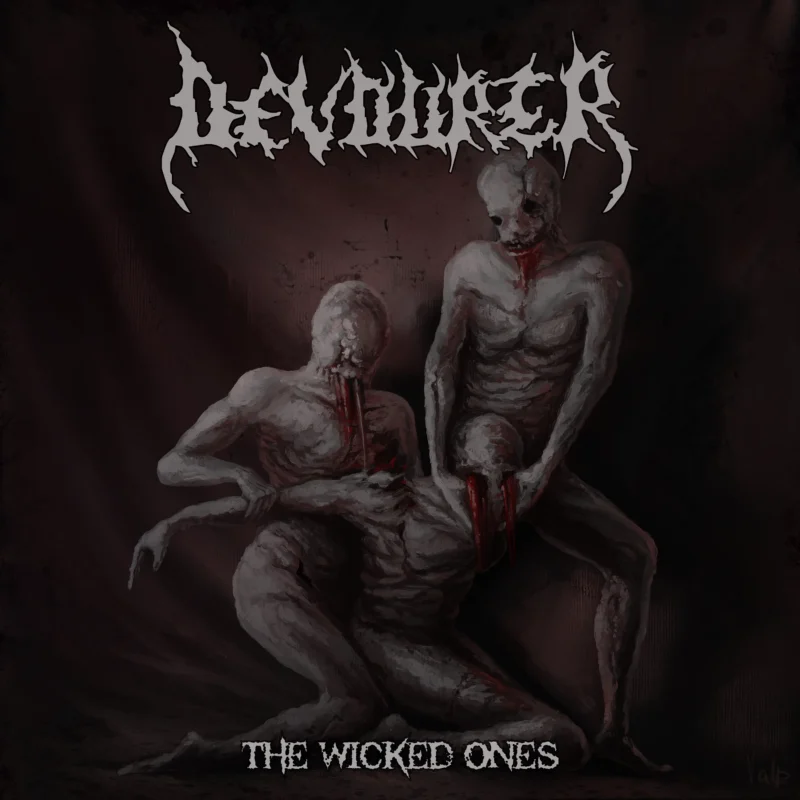
The Wicked Ones

2022

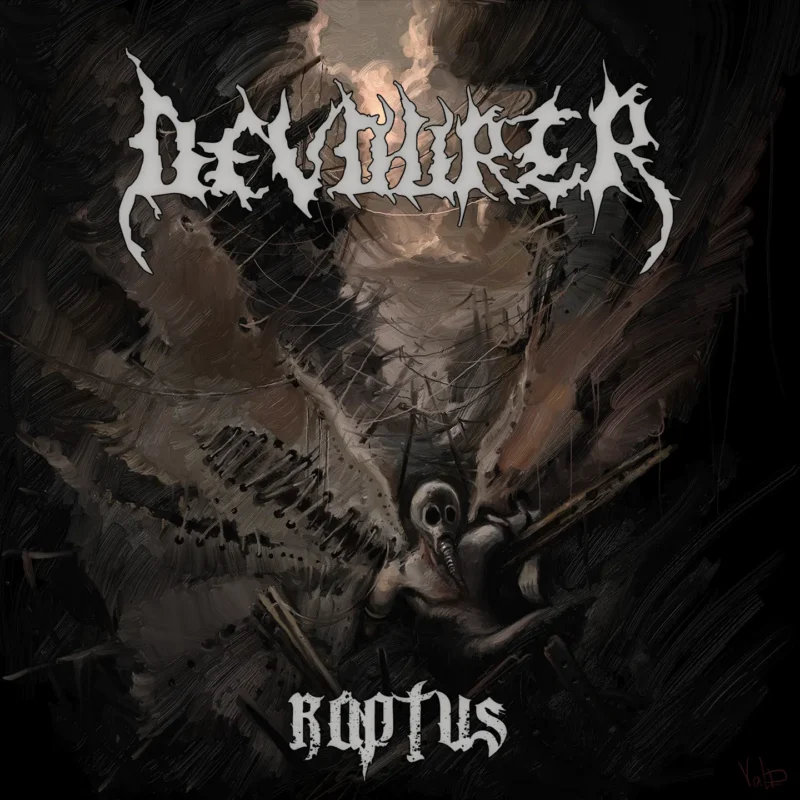
Raptus
2019

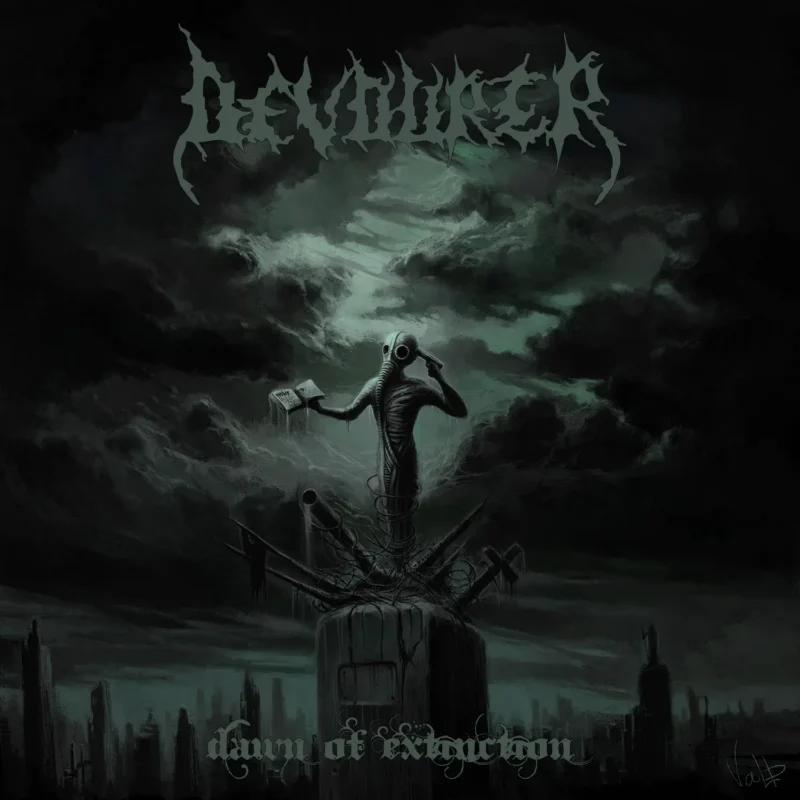
Dawn of Extinction
2017

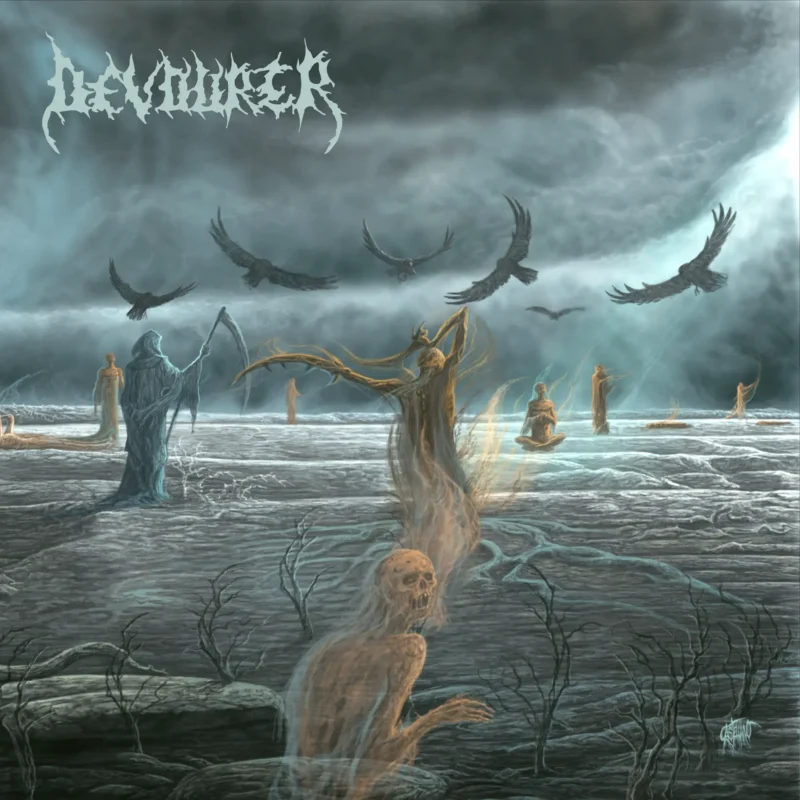
Across the Empty Plains
2013

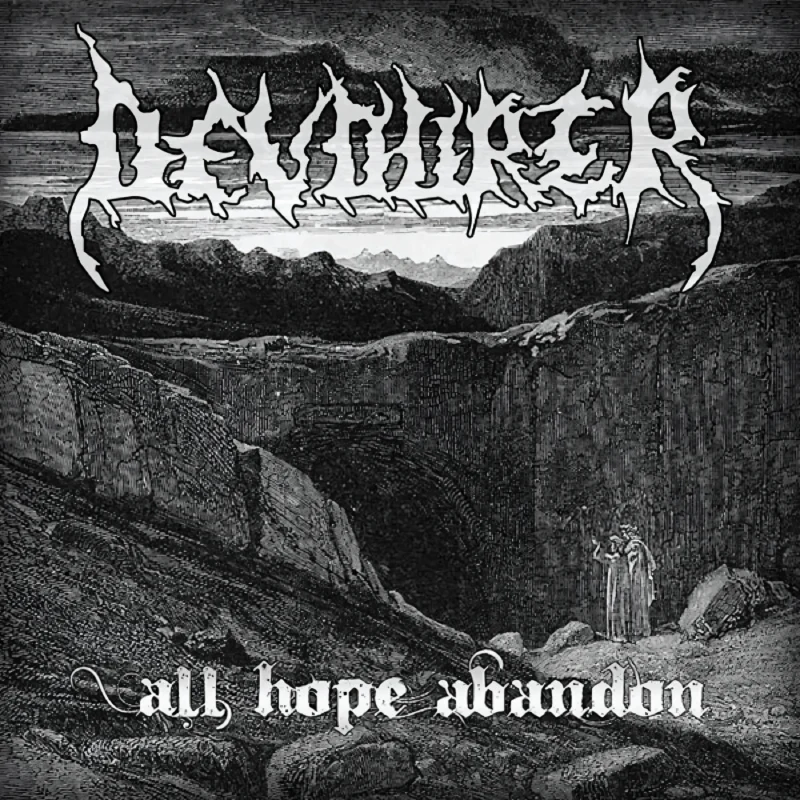
All Hope Abandon

Other Recordings
2015 – single

Pest
c, 2007-2009 – ep

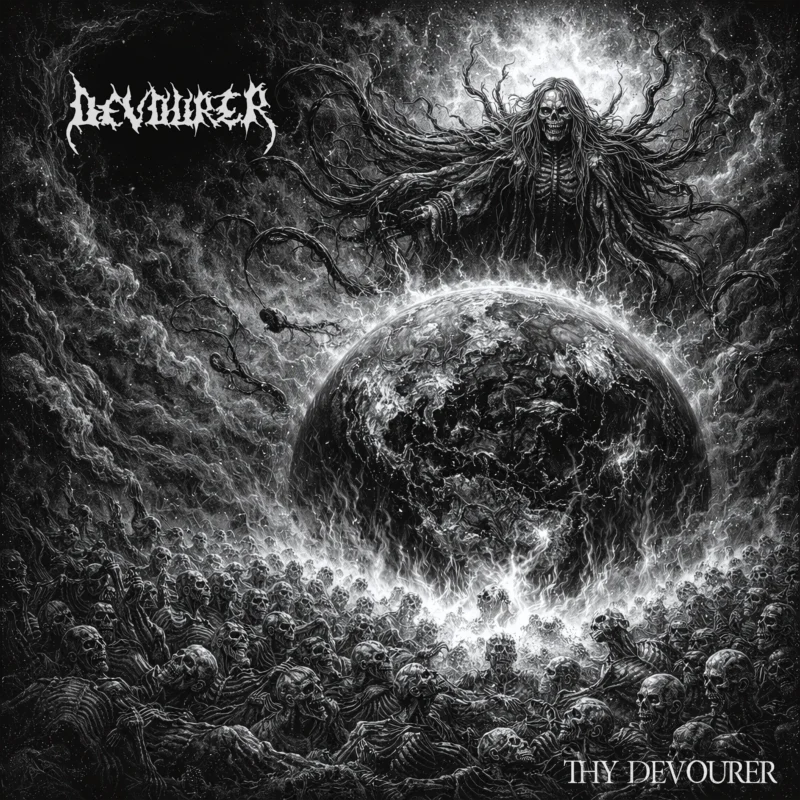
Thy Devourer
2003 – demo

Malignant

Visual Archive

2024

Live Stream

2024

Folly of Two

2024

The Wicked Ones

2022

The First Rehearsal

2020

When Death Inherits the Earth

2018

Finem Vitae Cura

2018

Addicted to Death

2018

Throne of Agony

2013

Filth

the vault preserves the path devourer has taken

Documents where the band stands now, and remains ready for whatever chapters the future demands to be added